
from Dr. Kristie Pretti-Frontczak
& dr. Julie Causton
Inclusive Education Blog for Teachers
and School Leaders
This inclusive education blog is designed for teachers, school leaders, and support staff who are committed to building more inclusive classrooms. Inside this inclusive education blog, you’ll find practical strategies, behavior support tools, co-teaching insights, and leadership ideas you can use right away.
Latest Posts from Our Inclusive Education Blog:
Empowering Paras: The Untapped Potential in Co-Teaching
When we talk about making our classrooms more inclusive, one big question arises: Can paraprofessionals co-teach? Absolutely, they can! This blog dives into how paraprofessionals, or educational assistants, can play a key role in co-teaching and really boost the...

Creating Access and Participation for All: The Continuum of Services Explained
In special education, two critical concepts often arise inclusive education and the continuum of services. At first glance, these might seem like opposing ideas, but they actually work together harmoniously. This blog post will explore how these concepts intersect....

Setting Boundaries: A Pathway to Personal Empowerment and Inclusive Change
Have you ever felt overwhelmed by the demands of your day, struggling to find a balance between personal well-being and professional responsibilities? Many school leaders who are doing courageous work struggle. You’re not alone. Many of us grapple with setting boundaries, wondering if we’re being fair, flexible, or even considerate enough.
But what if we could reframe boundaries as empowering choices rather than limitations? 🌟

Creating Inclusive Classrooms: The Importance of Eliminating Ableist Language
The other day, someone posted a comment on our Facebook thread riddled with ableist language. After blocking and reporting the post as hate speech, we decided to reframe this negative experience into a powerful learning opportunity. First, we reflected on the...

Playful Learning: Embracing the Educational Power of Play in Early Childhood
In early childhood education, play is fundamental for entertainment and a critical component of developmental learning. Play allows children to explore their environment, interact with peers, and develop critical cognitive and social skills. However, educators...

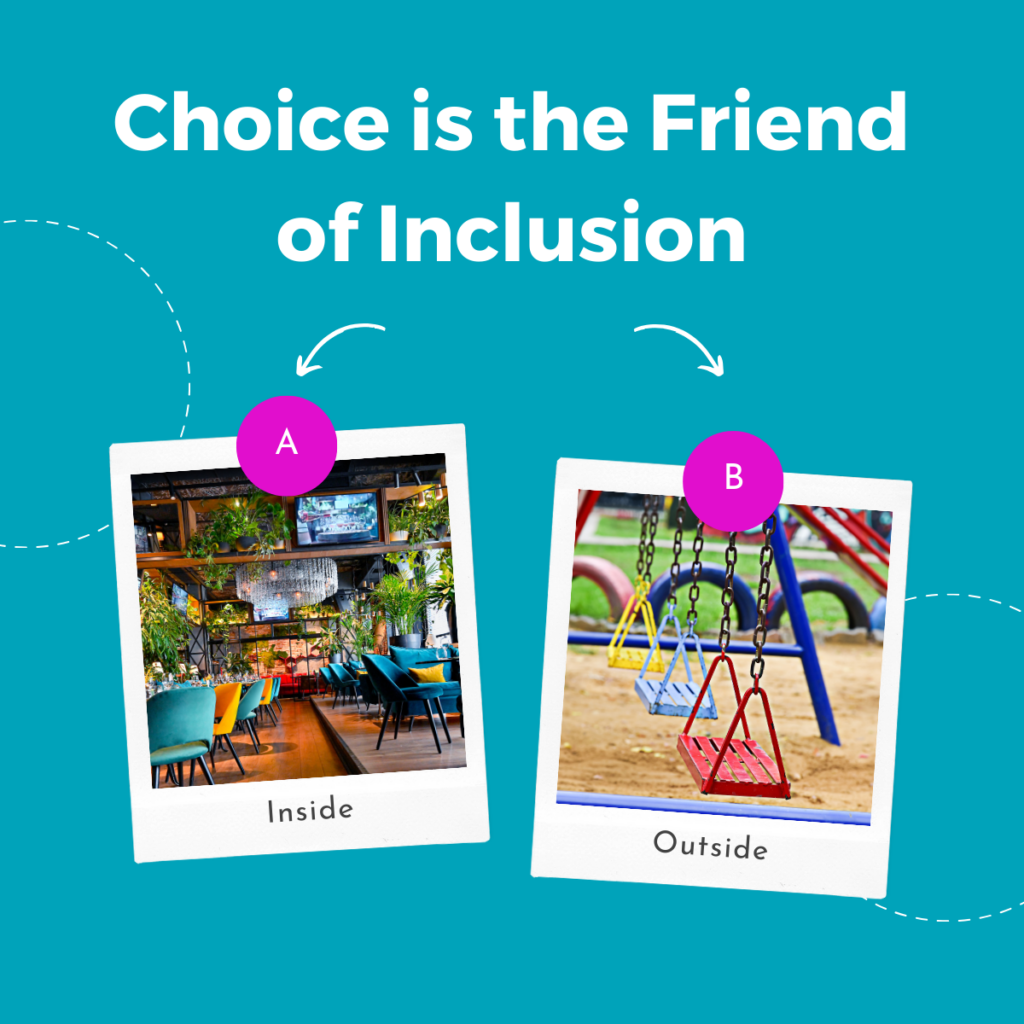
Creating Inclusive Classrooms Through Choice
Invisible choices are all around us, often hidden by forces that would rather we didn’t think about them. And it’s usually easier to simply look the other way. But they’re still choices. – Seth Godin Every day, educators make thousands of decisions...
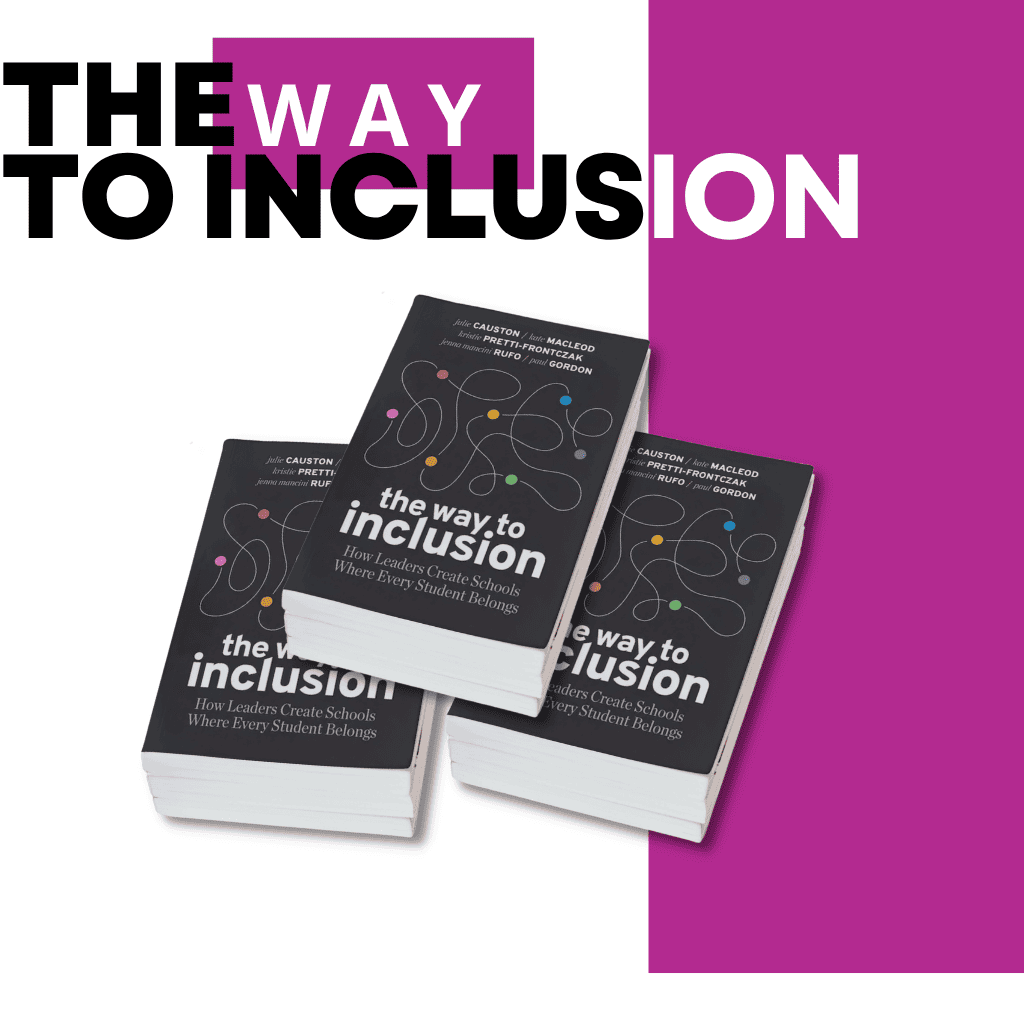
You Can’t Skip Steps in The Way to Inclusion
A 5-part virtual leadership book club that helps teams move past resistance, unclear definitions, and stalled inclusion efforts with a clear, practical roadmap.
JAN 13 • JAN 20 • JAN 27 • FEB 3 • FEB 10 (2027)
FREE Workshop:
Transform Your School with Inclusive Practices
How often do you hear questions like, “But HOW do we actually do it?” or “How do we move from theory to action and make inclusion a reality?”
We’ve got the answers! Join nationally recognized inclusion experts, Dr. Julie Causton and Dr. Kristie Pretti-Frontczak, for a FREE interactive workshop where we’ll tackle outdated special education practices, reveal three powerful classroom strategies, and share the real transformation of a school that fully embraced inclusion.
What Will I Learn?
-
- Overcome Resistance to Change: Tackle emotional and structural challenges to implementing inclusion successfully.
- Shift Mindsets and Inspire Action: Motivate your team to embrace new perspectives and practices.
- Clarify LRE and Service Models: Demystify Least Restrictive Environment and streamline service delivery for all students.
- Instant Resources: Leave with tools you can implement immediately to create more equitable and effective classrooms.
- Overcome Resistance to Change: Tackle emotional and structural challenges to implementing inclusion successfully.
Plus, get exclusive workshop pricing for Inclusion-Bytes—a professional development resource packed with 100s of practical and effective strategies for general and special education teachers about HOW to create inclusive classrooms!

Inclusive Education FAQs for Teachers and School Leaders
What is inclusive education?
Inclusive education is an approach where all students learn together in the same classroom, with the support and strategies they need to succeed. It focuses on access, participation, and belonging for every learner.
What are examples of inclusive classroom strategies?
Examples include co-teaching, differentiated instruction, behavior supports, and creating flexible learning environments that meet diverse student needs.
→ Read our co-teaching strategies blog
→ Explore behavior support strategies
Why is inclusive education important?
Inclusive education helps improve outcomes for all students by building stronger communities, increasing engagement, and supporting diverse learning needs in meaningful ways.