
WELCOME TO
THE INCLUSION PODCAST
YOUR GO-TO SOURCE for making INCLUSIVE EDUCATION a REALITY.
In each 15-minute episode, we dive into the heart of inclusive education, offering expert insights, real-world strategies, and answers to burning questions on how to make every classroom welcoming for all students, PreK-12. From redefining what special education is (and isn’t) to understanding Least Restrictive Environment (LRE) and exploring cutting-edge co-teaching practices, we cover the essential topics that help schools transform.
binge
ALL EPISODES

The Behavior Reset Every School Leader Needs
Ever wish you could shift the emotional climate in your classroom? In this episode, we explore co-regulation—and how educators act like thermostats, adjusting conditions so every student can learn and connect. Small shifts can create big changes. The download offers simple, brain-based strategies that show you how to act as a thermostat — adjusting the emotional environment with intention, not reacting to behaviors alone.

Paraprofessionals: How to Hide in Plain Sight
Julie and Kristie explore how paraprofessional support can be both effective and unobtrusive. With humor, heart, and powerful metaphors (yes, including Harry Potter’s invisibility cloak!), they unpack what it means for paraprofessionals to “hide in plain sight.” The episode offers strategies to increase student independence, dignity, and social connection by camouflaging support and avoiding over-reliance. With resources like “20 Ways to Provide Invisible Support” and “110 Ways Paras Can Help,” this episode is full of practical tools and radical shifts in mindset.

Shifting School Culture
In this episode, Julie and Kristie invite listeners to put on their creativity hats and explore five small yet powerful shifts that can profoundly improve school culture. They focus on the “feel” of a school—how it welcomes students, families, and educators—and how small tweaks, like changing a sign from “You are late” to “We’re glad you’re here,” can radically shift emotional tone and engagement. From morning greetings to creative cafeteria strategies, this episode empowers listeners to build inclusive culture through intentional micro-moves

10 Quick Inclusion Wins: Reset and Refresh
Feeling like your inclusive practices need a boost? You’re not alone—and you’re in the right place. In this energizing episode, Julie and Kristie share 10 quick inclusion wins that can help you reset, refresh, and re-engage at any point in the school year. Whether it’s the start of a new term or you’re navigating a mid-year slump, these simple but powerful strategies are designed to rebuild relationships with students and staff, add novelty and choice to assignments, rethink participation beyond “raise and respond,” realign and clarify roles with paraprofessionals, and celebrate the progress you’ve already made. Each idea comes with practical tools and bonus resources, including a jam-packed downloadable guide full of embedded supports and strategies. It’s like hitting a reset button for your inclusive classroom or school.

Multisensory Magic: Co-Teaching On the Fly with One Teach, One Make
In this episode, we dive into an easy, fun, and highly inclusive co-teaching move: One Teach, One Make Multisensory. Sharing real-world examples and practical tips, we show how pairing direct instruction with multisensory experiences can transform engagement and access for all learners. Whether it’s adding props, movement, music, or visuals, this is how a low-prep strategy brings novelty, creativity, and deeper connection into any lesson—on the fly or with a little planning.

You are the Thermostat
Ever wish you could shift the emotional climate in your classroom? In this episode, we explore co-regulation—and how educators act like thermostats, adjusting conditions so every student can learn and connect. Small shifts can create big changes. The download offers simple, brain-based strategies that show you how to act as a thermostat — adjusting the emotional environment with intention, not reacting to behaviors alone.

Praise and Rewards
Today we’re questioning everything we thought we knew about praise, rewards, and punishment. Are these tools really helping—or are they hurting our efforts to build safe, inclusive classrooms? Let’s dig into what connection-centered support can look like instead.

Support is a Verb— Not a Human
When most people hear the word inclusion… they immediately say– “then we need more support”. And what they mean is more paraprofessionals. In this podcast, we will explore this big idea… support isn’t a person—it’s what we do to help students access learning. In this episode, we rethink support as a dynamic, flexible action that starts before, during, and after a lesson. Join us to discover simple ways to make support smarter, without hiring more people.
Finding the Just Right Challenge: Introducing the Zigzag Equalizer
In this episode, Julie and Kristie take on a question that educators are often asked to justify excluding students with disabilities: “But what will they get out of this class?” Through real-life stories—including a powerful example of Stephanie’s success with Romeo and Juliet—they reveal why this question is misguided and provide 20 practical responses to advocate for inclusion
Two Legal Cases That Changed Inclusion Forever
In this episode, Julie and Kristie break down two landmark court cases that have shaped inclusive education: Roncker v. Walter and Endrew F. You’ll learn how the Roncker portability test supports bringing services directly into general education settings and how Endrew F. raised the standard for meaningful educational progress. Discover how these legal principles can empower you to advocate for students with disabilities and strengthen inclusive practices in your school.

Why Resource Rooms Aren’t Working (And What to Do Instead)
In this episode, Julie and Kristie take a critical look at resource rooms and why they often fall short of supporting students with disabilities. From social isolation to lowered expectations, they discuss the real-world challenges and myths surrounding these segregated supports. You’ll also learn actionable strategies for providing portable, inclusive supports within general education classrooms, promoting both academic success and belonging for all students.

“But, What Will They Get Out of This Class?” – 20 Responses Every Educator Needs to Hear
In this episode, Julie and Kristie take on a question that educators are often asked to justify excluding students with disabilities: “But what will they get out of this class?” Through real-life stories—including a powerful example of Stephanie’s success with Romeo and Juliet—they reveal why this question is misguided and provide 20 practical responses to advocate for inclusion.
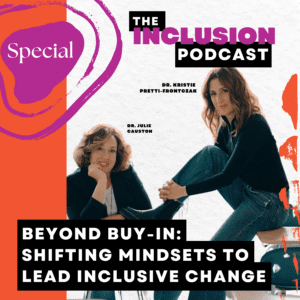
Beyond Buy-In: Shifting Mindsets to Lead Inclusive Change
In this special episode, three essential mindset shifts every school administrator must make to lead real, lasting inclusive change are shared. You’ll learn why it’s time to move beyond “buy-in,” how simple shifts can spark massive results, and how to lead from a place of commitment, not just compliance.

Why Fewer Directions Lead to Better Learning
Overloading students with verbal directions can hold them back. This episode shares a simple formula to reduce auditory overload, foster critical thinking, and encourage autonomy. Learn strategies to lower stress, strengthen relationships, and improve engagement, backed by real-life examples.

Meaningful IEPs: Quality Over Quantity
Writing IEPs can feel overwhelming, but focusing on quality over quantity makes all the difference. This episode introduces the Four Filters framework to identify meaningful, impactful goals that drive progress for students. Avoid common pitfalls, use our litmus test for IEP-worthy goals, and transform your approach to writing IEPs.

Differentiation Secrets Every Teacher Needs to Know
Discover how differentiation transforms classrooms into spaces where all students thrive. This episode dives into strategies to meet diverse needs, build equity, and foster inclusion, including an unforgettable activity to explain fairness. Whether you’re new to teaching or experienced, these tips will help you create a dynamic, equitable classroom.

Language That Lifts: Writing IEPs That Inspire Possibility
The words we use about students shape their futures. This episode explores how to shift from deficit-based language to strength-focused narratives in IEPs and educational reports, empowering students and inspiring possibility. Learn practical strategies like the “Language That Lifts” approach, reframing lead words into gold statements, and why focusing on strengths matters.

Inclusive Grading Solutions: 32 Strategies to Level the Playing Field
Grading can either create barriers or build equity. Julie and Kristie share 32 inclusive grading strategies to ensure fairness for all learners, covering rubrics, assessments, and aligning practices with IDEA requirements.

Why is Inclusive Change so Freaking Hard? The Six Stages of Transformation
Inclusive change is challenging, but understanding the six stages of transformation can make it manageable. Julie and Kristie outline the Inclusive Systems Change Cycle and offer practical strategies to guide educators from resistance to lasting progress.

Yes Brain Leadership: Shifting Mindsets to Build Inclusive Schools
Creating inclusive schools starts with fostering a “yes brain” mindset in educators and leaders. Julie and Kristie share research-based strategies to shift from fear and rigidity to creativity, connection, and adaptability, empowering teams to thrive.

The Five-Minute Fix: Problem-Solving for Inclusive Educators
Facing challenges in education doesn’t have to feel overwhelming. Julie and Kristie introduce the Five-Minute Problem-Solving Strategy, a simple tool for crafting focused questions, brainstorming creative solutions, and celebrating progress—all in record time.

The Training Your Paras Need— And What School Leaders Can Do Today
Paraprofessionals are vital threads in creating inclusive schools, yet they are often the least trained and most undervalued individuals in the system.
Training and retaining paraprofessionals is a critical step for school leaders to foster inclusion without needing extensive resources.
Strategies such as “lifelines” and “32 ways to increase para retention” provide practical solutions that can be implemented immediately.

Fading Paraprofessional Support: Strategies for Success in Inclusive Classrooms
Fading paraprofessional support is essential for fostering student independence and interdependence. In this episode, Julie and Kristie share actionable strategies to help paraprofessionals step back effectively while maintaining student success, with a focus on using tools like the prompting ladder and natural supports.

Why Behavior Charts Fail and What to Do Instead
Behavior charts and other public behavior management tools can damage trust, create fear, and undermine relationships in classrooms. Julie and Kristie discuss why it’s time to replace these outdated systems and share nine practical, inclusive alternatives to support all students
Listen on Your Favorite Platform
spotify

audible

apple

amazon

youtube

podbean

Find What You Need:
PD • Para Support • Workshops • About Us • Contact Us
® 2024 Inclusive Schooling • All rights Reserved • Privacy